ក្រសួងសេដ្ឋកិច្ចបន្តជួយចំណាយបន្ទុកអាករលើតម្លៃបន្ថែមសម្រាប់ប្រេងសាំងធម្មតា និងម៉ាស៊ូត
ជំងឺសម្ពាធឈាម៖ ក្មេងមានជំងឺលើសឈាមកើនទ្វេដងក្នុងពេលតែ២០ឆ្នាំ
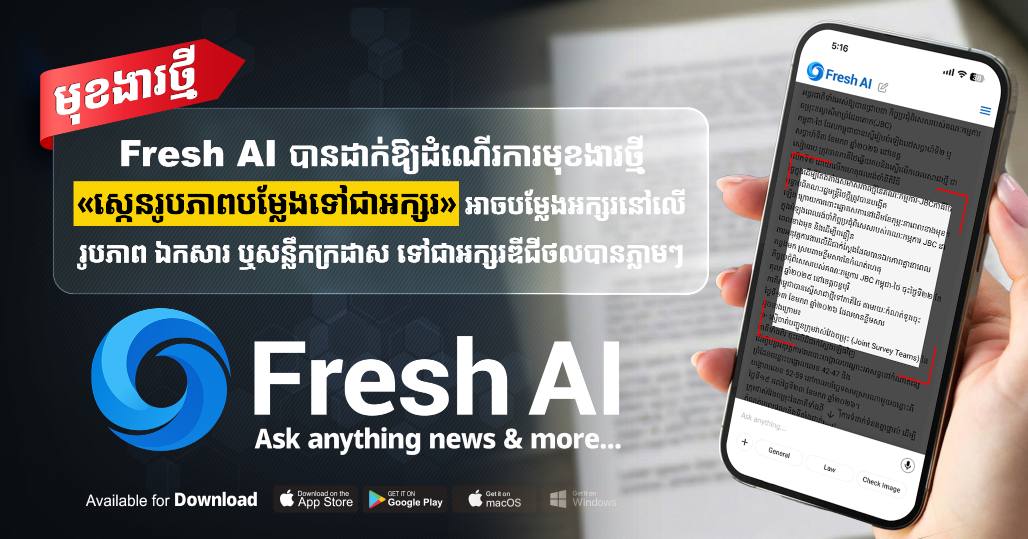
Fresh AI ដាក់ចេញ Version 20 និងណែនាំមុខងារថ្មី ថតឯកសារបំលែងទៅជាអក្សរ រួចសង្ខេបខ្លឹមសារចំណុចសំខាន់ៗភ្លាមៗមួយប៉ព្រិចភ្នែក
នីតិវិធីនៃការបង់ប្រាក់ភាគទានសហជីព និងប្រាក់សេវាភ្នាក់ងារ ដែលក្នុងនោះ សហជីពដែលបានចុះបញ្ជីត្រឹមត្រូវស្របតាមច្បាប់ស្ដីពីសហជីព ទើបអាចស្នើសុំឱ្យនិយោជកកាត់ប្រាក់ភាគទានពីសមាជិករបស់ខ្លួនបាន។
ភាពជាតំណាងបំផុតនៃសហជីពត្រូវបានទទួលស្គាល់នៅក្នុងក្របខណ្ឌសហគ្រាស គ្រឹះស្ថាន ឬវិជ្ជាជីវៈមួយ ឬសកម្មភាពសេដ្ឋកិច្ចមួយ ឬវិស័យមួយ ដែលបានចុះបញ្ជីត្រឹមត្រូវ ព្រមទាំងមានកម្មវិធី និងសកម្មភាពដែលបង្ហាញថាសហជីពនោះមានលទ្ធភាពផ្ដល់សេវាខាងវិជ្ចាជីវៈវប្បធម៌ និងអប់រំដល់សមាជិករបស់ខ្លួនដូចមានចែងក្នុងច្បាប់ស្ដីពីសហជីព។
បែបបទនៃការធ្វើប្រតិភូកម្មជូនប្រធាននាយកដ្ឋានវិវាទការងារ និងប្រធានមន្ទីរការងារ និងបណ្ដុះបណ្ដាលវិជ្ជាជីវៈខេត្ត នូវមុខងារធ្វើបណ្ដឹងទៅក្រុមប្រឹក្សាអាជ្ញាកណ្ដាល អំពីវិវាទការងាររួម ព្រមទាំងចេញលិខិតទទួលស្គាល់ប្រតិភូក្រុមប្រឹក្សាចរចារ សម្រាប់ដោះស្រាយវិវាទការងាររួម។
នីតិវិធីធ្វើឧបាស្រ័យទៅរដ្ឋមន្រ្តីក្រសួងការងារនិងបណ្ដុះបណ្ដាលវិជ្ជាជីវៈ លើចំណាត់ការរបស់មន្រ្តីដែលទទួលបានប្រតិភូកម្មមុខងារក្នុងការអនុវត្តច្បាប់ស្ដីពីសហជីព។
បែបបទនៃការធ្វើប្រតិភូកម្មមុខងារក្នុងការអនុវត្តច្បាប់ស្ដីពីសហជីព មានដូចជាសមត្ថកិច្ចចាត់វិធានការរដ្ឋបាល ដូចមានចែងក្នុងជំពូកទី១៥ នៃច្បាប់ស្តីពីសហជីព ជូនដល់មន្ទីរការងារ និងបណ្ដុះបណ្ដាលវិជ្ជាជីវៈខេត្ត, នាយកដ្ឋានវិវាទការងារនៃក្រសួងការងារ និងបណ្ដុះបណ្ដាលវិជ្ជាជីវៈ, អធិការការងារ អភិបាលការងារ ឬមន្រ្តី ដែលត្រូវបានចាត់តាំងដោយរដ្ឋមន្រ្តីក្រសួងការងារ និងបណ្ដុះបណ្ដាលវិជ្ជាជីវៈ ឱ្យធ្វើអធិការកិច្ចការងារ ។
វិមានរដ្ឋចំការមន មហាវិថីព្រះនរោត្តម រាជធានីភ្នំពេញ ព្រះរាជាណាចក្រកម្ពុជា
ទូរស័ព្ទ៖
E-mail : grdp.senatekh@gmail.com